
About Us
Mason & Wales is New Zealand’s first architectural practice, founded in 1862 by William Mason, the country’s first professional architect.
For more than 160 years, the practice has shaped many of New Zealand’s most significant buildings and houses, establishing a legacy of architectural excellence and thoughtful, enduring design.
A multi-award-winning New Zealand Institute of Architects practice, Mason & Wales operates from our heritage-scheduled office building in Dunedin. Contemporary open-plan workspaces sit above the firm’s historic archive vault, maintaining a tangible connection between our heritage and our responsibility to continue to shape the future of architecture.
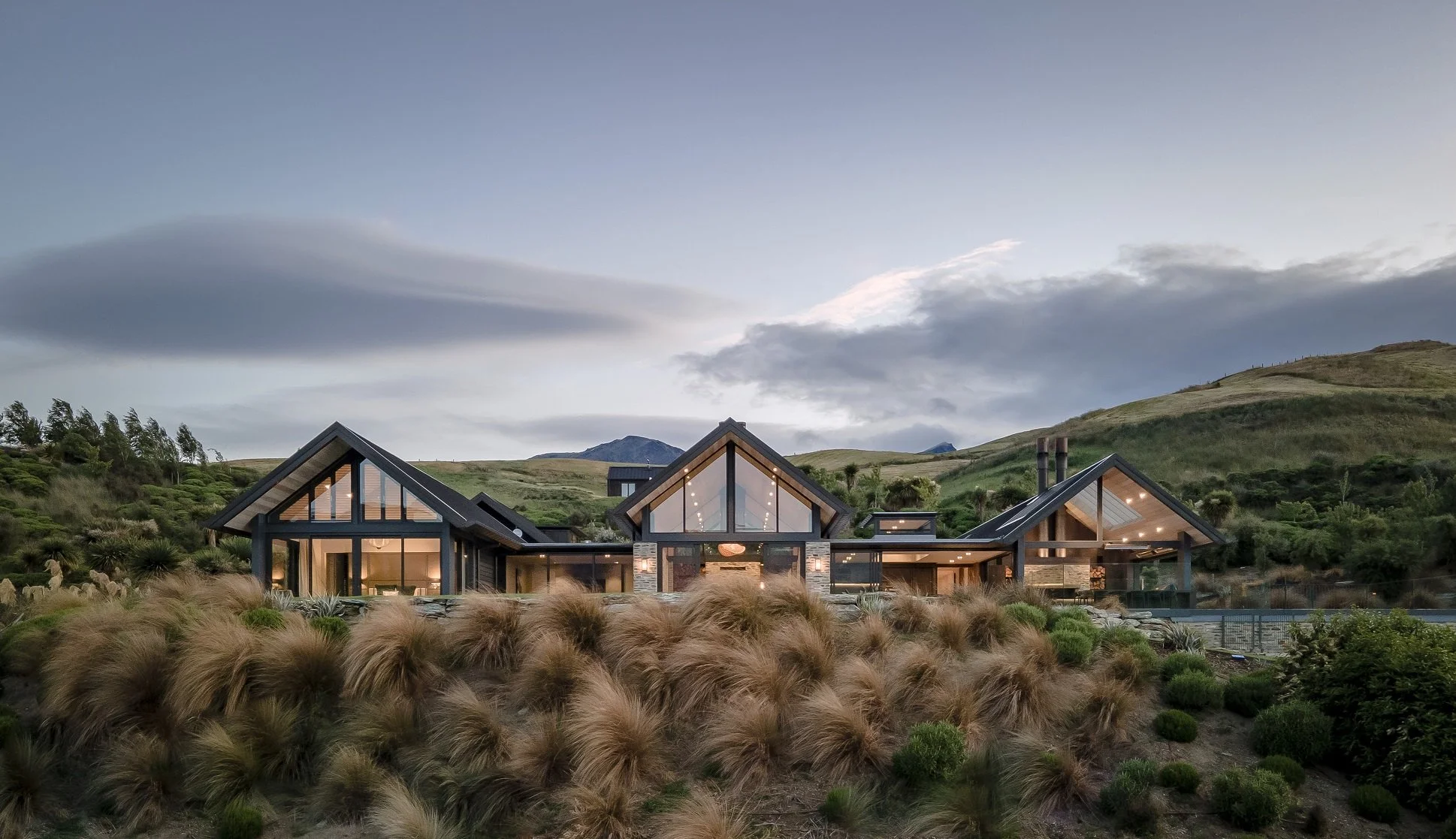
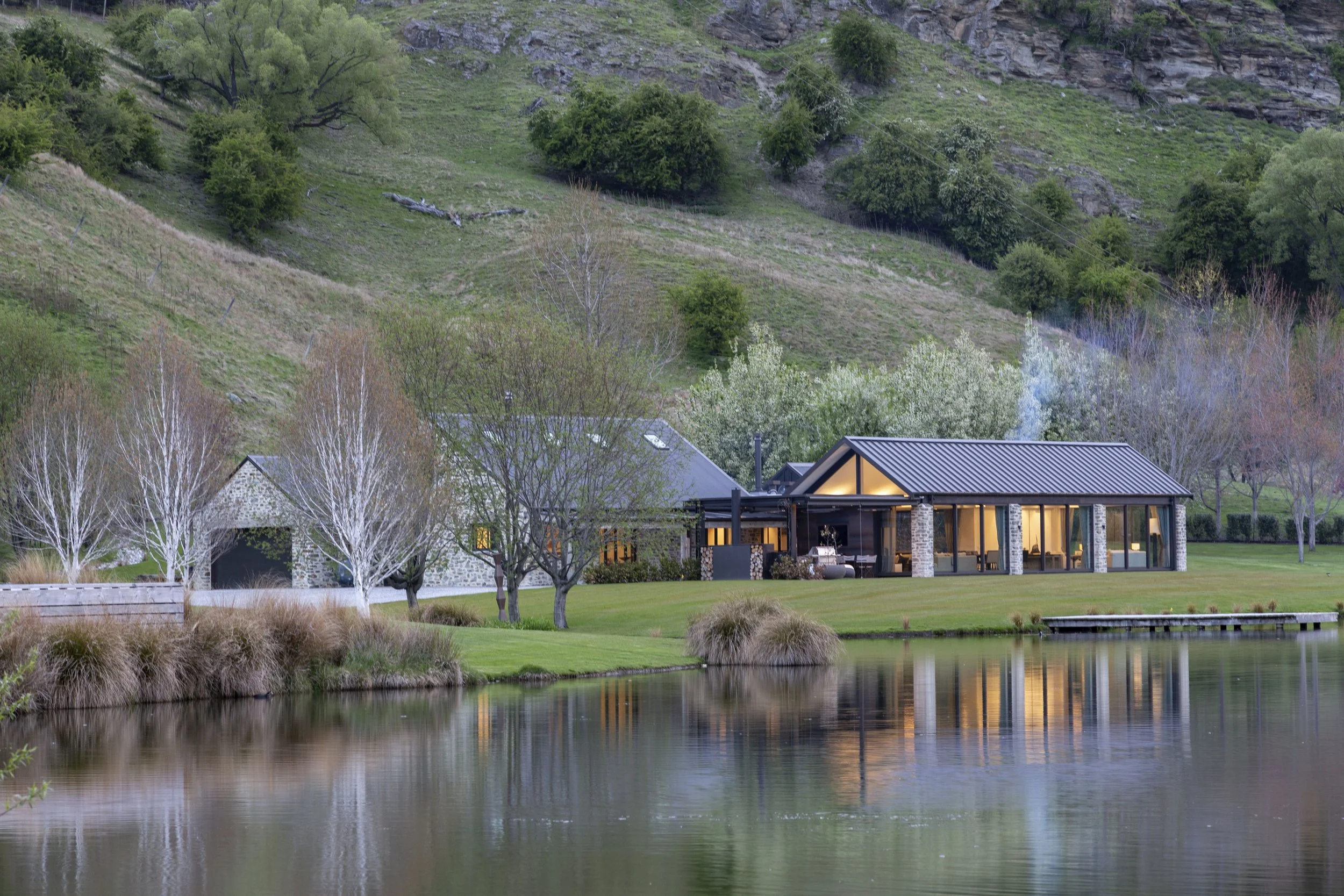
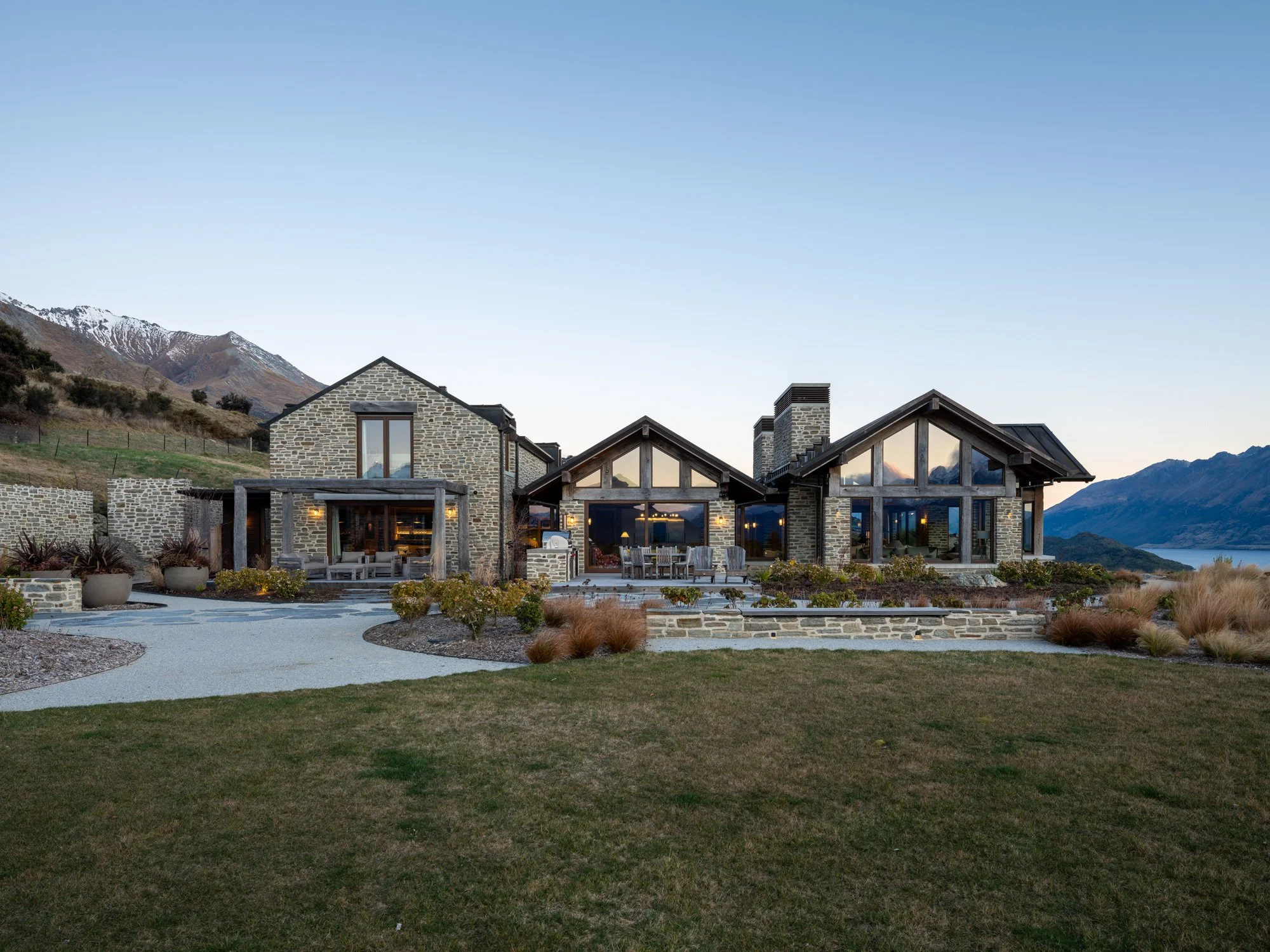
Today, our projects extend across New Zealand and overseas, spanning a diverse range of scales, sectors and budgets. Our portfolio includes private residential, multi-residential, commercial, heritage and public architecture. Continuing a tradition established by our predecessors, we remain particularly active throughout Central Otago and the Southern Lakes, supported by our Wanaka studio.
While our history provides a strong foundation, our focus is firmly on the future. We combine rigorous design thinking, technical excellence and practical experience to create environmentally sustainable architecture that is deeply connected to place, enduring in quality and designed to deliver lasting value for our clients and communities.
Explore our portfolio of completed projects.
Read more about the history of Mason & Wales Architecture Now.


History
WILLIAM MASON (1810 – 1897)
William Mason was born in Ipswich and like his father and grandfather before him, he practiced his architecture in his native town. In 1838 he emigrated to New South Wales, where he took employment with the Colonial Architect. In 1840 he sailed from Sydney to New Zealand as a member of Governor Hobson’s staff, becoming the first architect to live and work in this country.
Mason stayed twenty-two years in Auckland, sampling the many occupations of a colonist – auctioneering, farming, and politics, as well as architecture. While a Member of Parliament, he moved south to Dunedin to enjoy the prosperity of a province suddenly enriched by the discovery of gold.
Arriving in 1862, Mason joined David Ross in the partnership Mason & Ross. This dissolved within six months and in 1864 Mason formed Mason & Clayton with William Henry Clayton, a recent arrival from Tasmania. They immediately began work on the iconic building intended as a post office, but which instead became the first home of the University of Otago (and later the Exchange Building).
After becoming Dunedin’s first mayor in 1865, Mason gradually withdrew from the partnership. Clayton continued Mason & Clayton as his sole practice from 1866 until 1869, when he moved to Wellington to become Colonial Architect.
After several years pursuing farming interests in North Otago, Mason returned to practice in 1871 through Mason & Wales, a new partnership formed with his former employee N Y A Wales.
In 1877, Mason retired to the seclusion of Lake Wakatipu. He died in Dunedin in 1897. Among his well-known buildings are the former Government House in Auckland, St Matthew’s Church, and Bishopscourt, as well as some now demolished works such as the 1865 Exhibition Buildings.
NATHANIEL WALES (1832 – 1903)
Nathaniel Young Armstrong Wales was born in Northumberland, educated in Jedburgh, Scotland and came to Dunedin from Victoria in 1861.
N.Y.A Wales was originally employed by William Mason in 1862, and was later clerk of works for the post office building. Hehad no strict architectural training, but nor had many men describing themselves as architects at that time. His matter-of-fact approach to the profession, untroubled by finer points of aesthetics, appealed to Mason.
Wales had an outstanding knowledge of the practical side of building and a sound head, which soon after this took him into Parliament and subsequently made him Mayor of Dunedin. He had also an outstanding military career, in which he rose from the ranks to be a Lieutenant-Colonel of Militia and Honorary Colonel of Volunteers.
Wales became a Partner in the firm, and the practice was renamed Mason & Wales. The firm occupied a leading position among the pioneer architects for many years, and a number of the prominent buildings of Dunedin City owe their origin to its ability and diligence.
EARLY 20th CENTURY
On the retirement of the William Mason in 1877, Mr Thomas Stevenson joined the firm. Three years later, following Stevenson’s early retirement due to ill health, Mr N Y A Wales became the sole partner. This continued until 1891, when his son P Y Wales joined the firm. The buildings they erected and designed comprise many of the largest and most important public, mercantile and private houses in the city of Dunedin, throughout Otago generally and in various parts of New Zealand.
The second N Y A Wales was born in Dunedin in 1896, the son of P Y A Wales. He was educated at Waitaki Boys High School and after several years of building apprenticeship, he joined his father in the architectural practice and then almost immediately went overseas as a soldier in the NZ Expeditionary Force. He was wounded in action and returned to New Zealand where he rejoined Mason & Wales Architects and completed his studies. Later, he was elected President of the New Zealand Institute of Architects (1955-56), an office previously held by his father (1913-14).
In 1956, the third N Y A Wales (Neil) (1927 – 2011) became a partner in the firm, having studied at Otago Boys High School in Dunedin, and at the Auckland University School of Architecture, and following work and travel overseas in Europe, Canada and the United States. Neil was involved with the modern day practice and the archives, up until his passing.
R W Seaton joined the firm in 1945 and J O Aimers in 1958, they went on to become Partners and retired in 1975 and 1988 respectively.
LATE 20th CENTURY
C. Ashley Muir joined the practice in 1970, bringing fresh energy and perspective at a pivotal time in its history. Through the 1980s, alongside Francis Whitaker, the firm was thoughtfully advanced over several decades with significant contributions from the evolving team including Stephen Loach, Steve Gilbertson and Alan Anderson. This collective leadership helped re-establish the foundations of what stands today as one of New Zealand’s finest architectural practices.
21st CENTURY - TODAY
Hamish M. Muir returned to Dunedin in 2005, following architectural study, practice pilgrimage in the North Island and overseas, to join Mason & Wales. Hamish facilitated the transition of ‘the old firm’; into a new era, with new technologies and systems, while preserving and evolving the fundamentals of architectural practice, and lessons and experience passed down from senior staff. Today, Hamish is proud to be leading the team into its next chapter, with a clear vision to protect, strengthen and enhance the practice for future generations.